
The Allure of Casino Environments
The design of casino environments plays a significant role in attracting and retaining players. Bright lights, vibrant colors, and strategically placed sounds create a sensory-rich atmosphere that encourages gaming behavior. Many casinos employ the use of visual stimuli to enhance excitement, making the experience feel almost like a celebration. For those interested in online gaming options, australian online pokies can serve as a great alternative, creating a similar hypnotic effect that draws players in, making them less aware of the passage of time and the money they spend, thus heightening their desire to continue playing.
Moreover, the absence of clocks and windows in casino settings is intentional. These features create a disorientation that tricks the brain into losing track of time, compelling players to spend longer periods on the gaming floor. Studies have shown that environments designed this way can increase player retention rates, as individuals become engrossed in the experience rather than monitoring their time or finances. This manipulation of spatial awareness emphasizes the psychological tactics at play within the casino realm.
The use of rewards and bonuses within these environments also fortifies the allure. Casinos often provide complimentary drinks or services, reinforcing the idea that players are part of an exclusive experience. This tactic not only serves to enhance enjoyment but also creates a sense of loyalty. The psychological effect of receiving something for free can make players feel valued, promoting continuous engagement with the gaming activities offered.
The Role of Psychology in Gambling Choices
The psychology behind gambling choices can be complex and multifaceted. Players often engage in risk assessment, weighing their odds of winning against the potential for loss. Cognitive biases, such as the gambler’s fallacy, can lead individuals to believe that past outcomes affect future results, influencing their betting behavior. For example, a player may believe that after a series of losses, a win is due, prompting them to increase their bets, risking more than they originally intended.
Additionally, the concept of loss aversion plays a crucial role in gambling behavior. Research indicates that the pain of losing is psychologically more impactful than the pleasure of winning. This can cause gamblers to chase their losses, leading to increased spending in an effort to recover what has been lost. The emotional rollercoaster of gambling, combining highs of winning with lows of losing, creates a compelling cycle that many players find difficult to break.
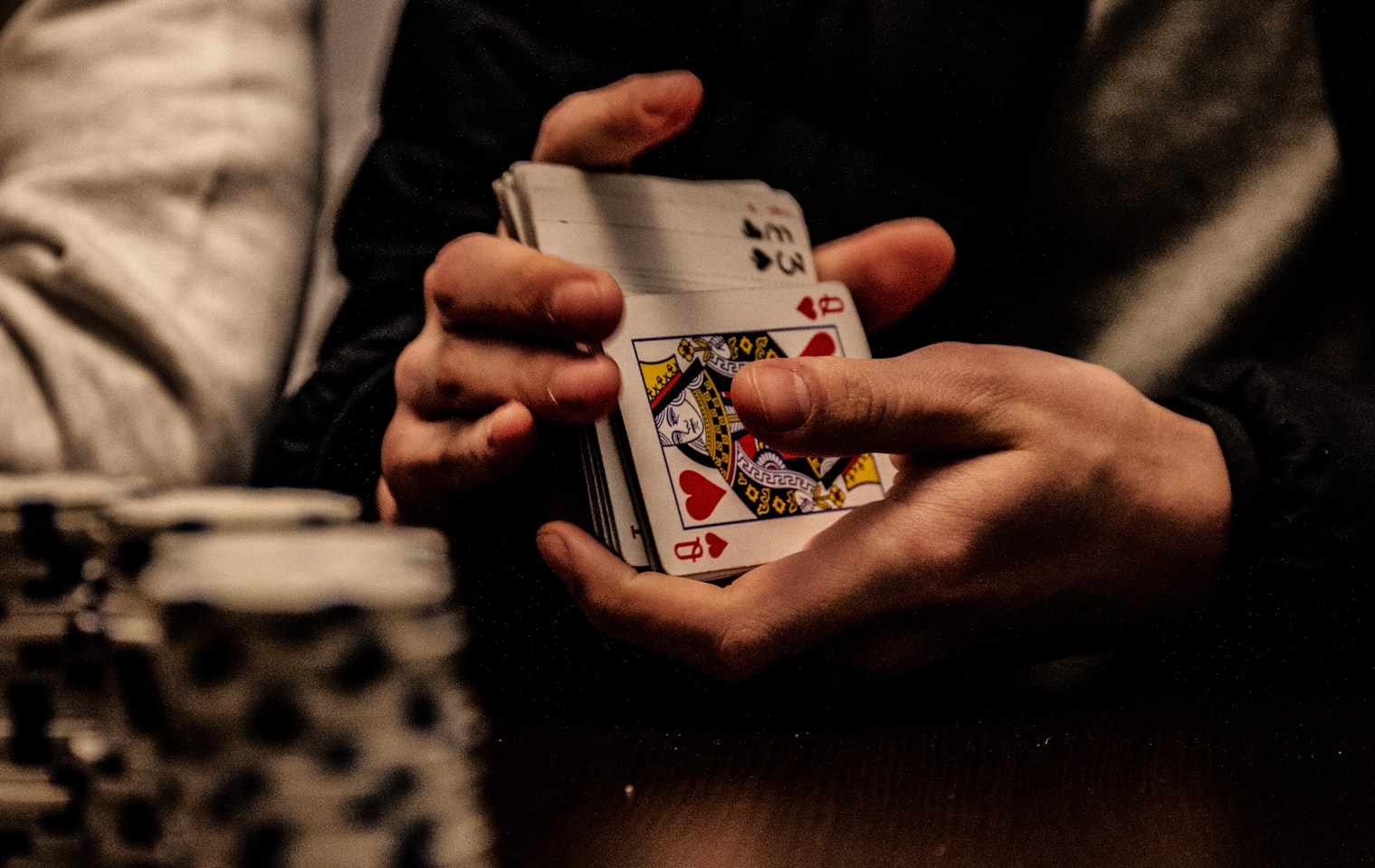
The concept of social proof also influences gambling choices. Players often look to others for cues on how to play, leading them to mimic behaviors they observe. This can lead to a rise in risky betting practices, driven by the desire to fit in or gain acceptance within a gaming group. The interplay of social dynamics and personal psychology highlights how individual gambling behavior can be swayed significantly by external influences.
The Impact of Emotion on Gambling Behavior
Emotions significantly impact decision-making in casino gaming. For instance, feelings of excitement and anticipation can lead to impulsive behavior, causing players to make hasty bets without fully considering the consequences. When individuals are in a heightened emotional state, their brain’s prefrontal cortex, responsible for rational decision-making, may become less active, resulting in choices driven by instinct rather than logic. This emotional responsiveness can lead players to lose track of their budgets and time.
Conversely, negative emotions such as stress or anxiety can have a different effect. Some players may turn to gambling as a coping mechanism, using the thrill of the game to escape from their feelings. This creates a paradox where the act of gambling becomes both a source of temporary relief and a potential source of greater distress. Such emotional entanglements can lead to problematic gambling behavior, where players struggle to maintain a healthy balance between gaming and their emotional well-being.
The connection between emotion and gambling behavior also suggests that casinos often leverage this relationship. By creating environments that evoke specific emotional responses, such as excitement or community, casinos can enhance player engagement. This understanding of emotional dynamics further emphasizes the psychological strategies deployed to cultivate a thriving gaming atmosphere, making players more likely to return for future experiences.
The Influence of Cognitive Dissonance in Gambling
Cognitive dissonance is a psychological phenomenon that occurs when individuals hold conflicting beliefs or attitudes, leading to discomfort. In the context of casino gaming, this can manifest when a player rationalizes their losses to continue gambling. For instance, a player might convince themselves that their next bet will surely be a win, despite previous setbacks. This justification helps alleviate the discomfort of losing, thereby perpetuating the cycle of gambling.

This need to reconcile one’s beliefs with actions often leads to a pattern of compulsive gambling. As players try to validate their choices, they may find themselves caught in a loop of increasing commitment to the gamble. The pressure to recover losses can drive individuals to bet more recklessly, creating a dangerous situation where logic takes a backseat to emotional justification. Cognitive dissonance thus serves to reinforce problematic gambling behaviors, making it harder for players to recognize when it’s time to stop.
Furthermore, casinos exploit this cognitive dissonance by providing a supportive atmosphere that diminishes feelings of guilt or regret. By framing losses as a natural part of the gaming experience, casinos can normalize behaviors that might otherwise lead to self-reflection and withdrawal. This manipulation of cognitive dissonance illustrates how psychological principles are intricately woven into the fabric of gambling culture, emphasizing the need for awareness and understanding among players.
Conclusion: Understanding Casino Psychology
Understanding the psychology of casino gaming is crucial for both players and industry stakeholders. By recognizing the various psychological tactics employed within casino environments, players can make more informed decisions regarding their gaming behavior. Awareness of emotional influences, cognitive biases, and environmental design can empower individuals to engage more responsibly with gambling activities.
Moreover, the insights gained from exploring these psychological aspects can help casinos foster a healthier gaming culture. By creating environments that prioritize responsible gaming while still providing engaging entertainment, the industry can work towards reducing the negative impacts of gambling. Ultimately, a deeper understanding of casino psychology can lead to more enjoyable and balanced experiences for everyone involved.
As you navigate the world of casino gaming, consider how these psychological elements affect your experience. Whether you are a casual player or a seasoned gambler, being mindful of the psychological forces at play can enhance your enjoyment and promote responsible gaming practices. Embracing this knowledge is key to maintaining a positive relationship with casino gaming.
